50 Leading Lights Asia Pacific
Recognising leadership grounded in courage, compassion and kindness.
Explore my recognition →Fajer Rabia Pasha is a Pakistani social entrepreneur and development leader turning evidence, lived experience and partnerships into practical routes towards dignity and opportunity.
Explore the work →Follow the journey →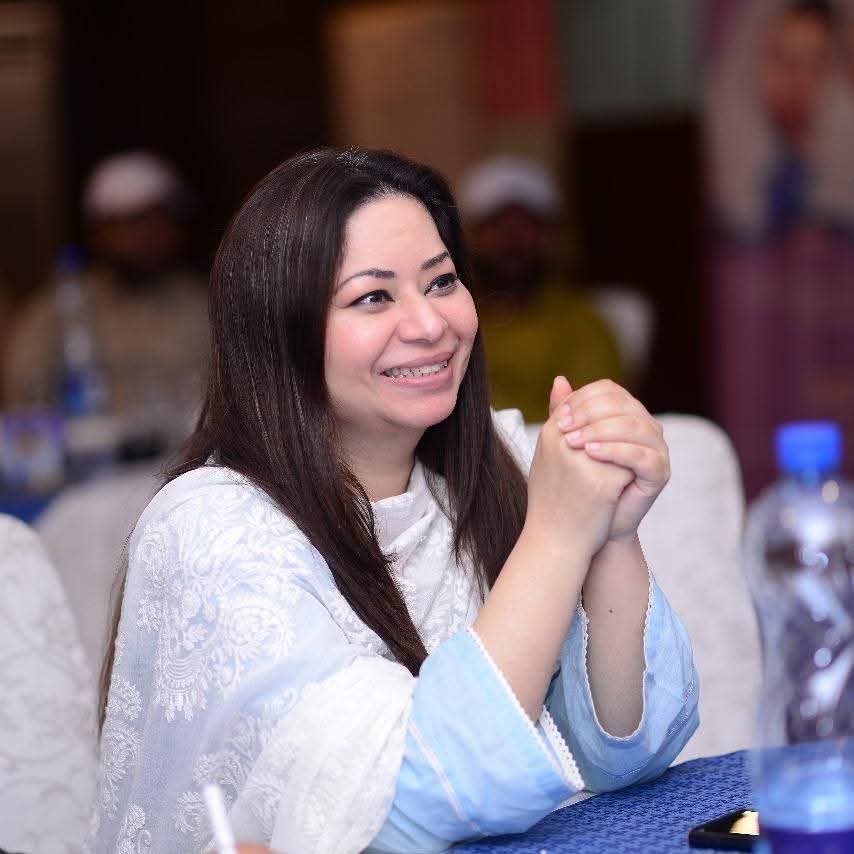
Recognising leadership grounded in courage, compassion and kindness.
Explore my recognition →Awarded to PAGE’s Star Schools programme during my leadership of the organisation.
See awards and fellowships →Education, employment, technology and healthcare are deeply connected. Fajer’s current work brings them together around the realities of women and underserved communities.
A social enterprise creating practical pathways into entrepreneurship and decent work, with a focus on low-income women and single mothers.
Building inclusive AI tools that turn complex systems into accessible guidance for women and underserved communities.
Preparing nurses for confident, ethical and internationally competitive careers through focused training and employment readiness.
Expanding access to free healthcare and practical support for marginalised women, children and families in Pakistan.
Built through Balance AI, Tawazun helps Pakistani women understand employment contracts, workplace harassment and salary fairness through practical guidance in English, Urdu and Roman Urdu.
Visit Tawazun ↗Board Member, National Education Foundation
Board Member, Pakistan Alliance for Early Childhood
Explore board and advisory roles →There is a crisis unfolding quietly in some of Pakistan's poorest households.…
Read more ↗The experiences and convictions behind my work in education, women’s opportunity and stronger institutions.
Meet Fajer →From Inspired Sisters in Manchester to girls’ education in Pakistan and a connected portfolio of new initiatives.
Follow the journey →Talks, interviews and profiles exploring girls’ education, women’s economic agency and leadership.
Watch, listen and read →For speaking invitations, partnerships and conversations about building opportunity.
Contact me →Explore six free lessons on social entrepreneurship, advocacy, building an organisation and developing support networks.
Start the free social entrepreneurship course